


Uprooted
When progress takes root, whose roots are left behind?
Some roots grow beneath the soil. Others grow through generations.
For farmers, roots are found in every seed pressed into the earth, every harvest carried home, and every field worked beneath the sun. For the Aeta, they reach even deeper, there are anchored into ancestral land, traditions, and a history passed from one generation to the next.
But in Capas, Tarlac, the roots that once securely gripped the ground are now in danger of being rooted out.
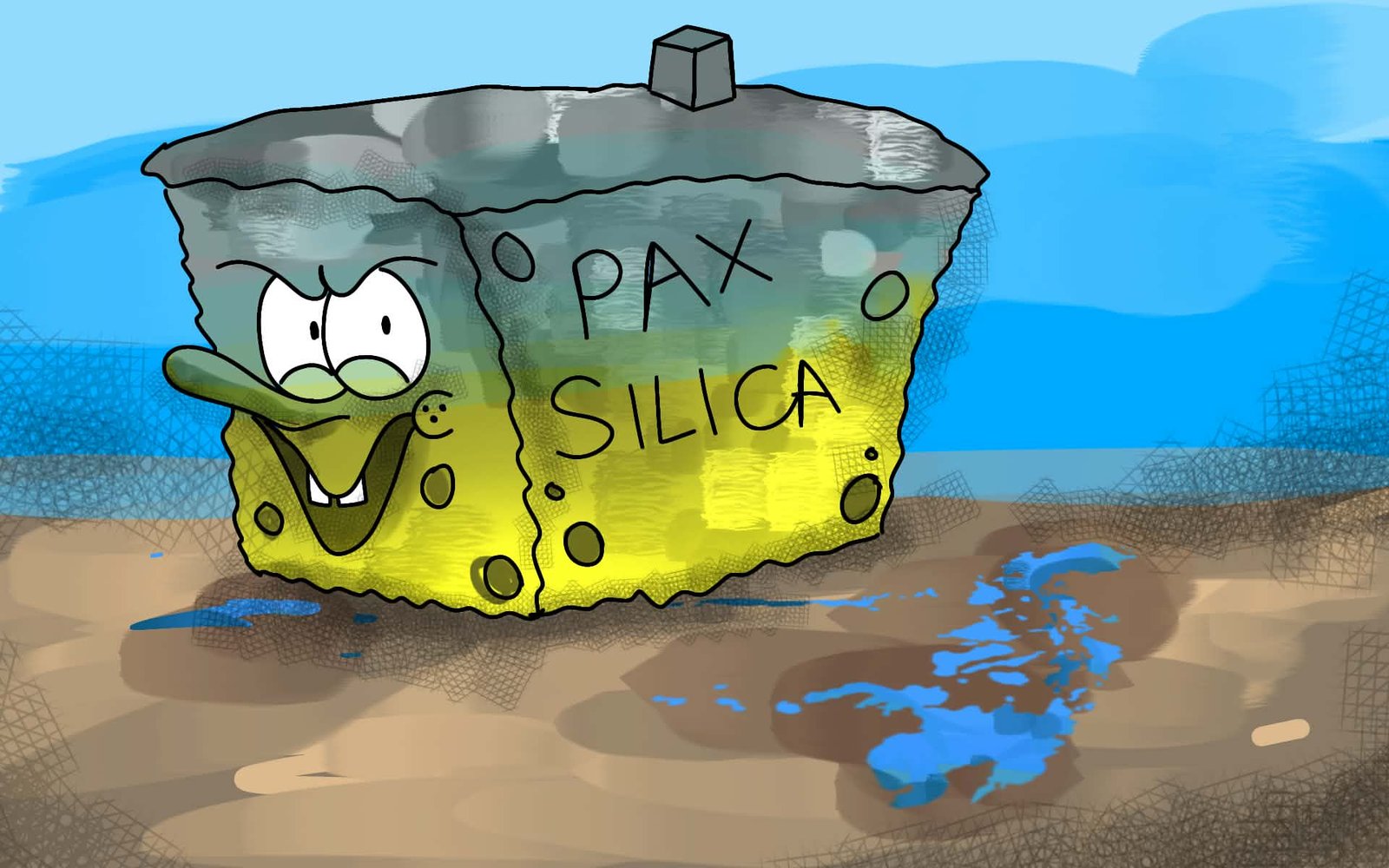
The proposed Pax Silica industrial hub promises to plant the Philippines deeper into the global technology industry, bringing artificial intelligence infrastructure, semiconductor manufacturing, investments, and jobs to the country. The planned development is expected to cover around 1,620 hectares in New Clark City.
A seed that is promised to grow into a sturdy tree.
But you cannot plant a seedling when the forest is already full. Something must fall. Farmers and Aeta communities in Capas have raised concerns over what the project could mean for their farms, water sources, homes, and ancestral lands. A petition opposing the project has gathered nearly 400,000 verified signatures, with residents of affected communities saying that the land is not merely where they live, it is how they live.
For farmer Miriam Ventura, the concern begins with something as basic as water. She has questioned what could happen to the clear water that serves as her community’s drinking source if the development pushes forward. Around 500 families in Barangay Sta. Lucia alone, she said, could be affected.
Petroniza Capriz-Muñoz, an Aeta chieftain from Sapang Kawayan, described the land as essential to their lives as Indigenous people and raised the question of what would remain for future generations.
The government has presented Pax Silica as an opportunity for industrialization, advanced manufacturing, and economic growth. Officials have said the project will follow Philippine and international laws and that safeguards will protect the environment and affected communities.
Yet for those already rooted in the proposed site, promises of what could grow in the future cannot easily erase what already exists.
Perhaps the challenge is not choosing between progress and people.
Perhaps it is learning how to grow without uprooting those who were there first.
Because no matter how impressive the branches become, a tree cannot thrive when its roots are forgotten.
